
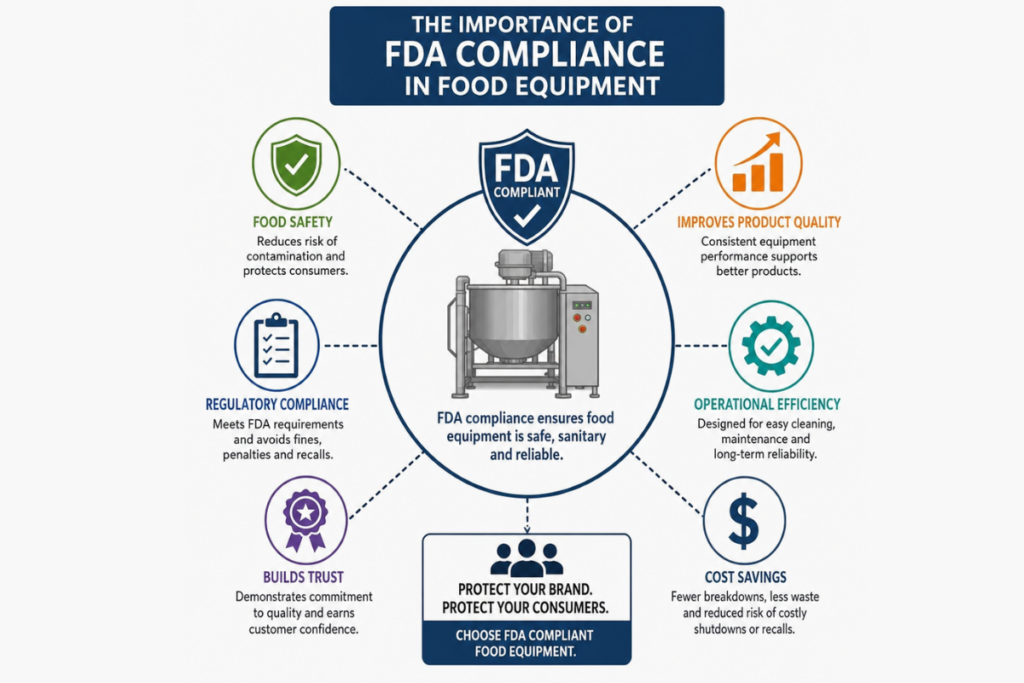
In the food processing industry, safety and hygiene are paramount. Choosing the right materials for food equipment is crucial. FDA compliance ensures that materials are safe for contact with food.
CNC machining plays a vital role in crafting precise food processing machines. Selecting FDA-friendly materials for CNC machining is essential for maintaining quality and safety standards.
Stainless steel, food-grade plastics, and aluminum are top choices. Each offers unique benefits for food processing equipment. Understanding their properties helps in making informed decisions.
This guide explores the top three FDA-compliant materials. It highlights their advantages, applications, and why they are preferred in the industry.
Stay informed to ensure your equipment meets FDA standards.
Why FDA-Compliant Matters in Food Equipment CNC Machining
FDA compliance is crucial in food processing to ensure safety. Non-compliant materials can pose health risks and lead to contamination. Thus, choosing FDA-approved materials is non-negotiable.
The integrity and performance of food processing equipments depend on their materials. FDA-compliant materials do not leach harmful substances into food. This prevents potential recalls and consumer health issues.
Materials used must withstand frequent cleaning and diverse food products. Durability under these conditions ensures longevity and reduces maintenance.
Key reasons for FDA compliance include:
- Prevents contamination
- Ensures consumer safety
- Guarantees material durability
Selecting FDA-friendly materials for CNC machining enhances equipment reliability. It boosts consumer trust by emphasizing safety standards.
Key Criteria for Selecting FDA-Friendly CNC Machining Materials
Selecting the right material for food processing machines is essential. Not every material is suitable for direct contact with food. Thus, understanding key selection criteria is vital.
First, consider the material’s resistance to corrosion and chemicals. It should also withstand frequent cleaning and varying temperatures without degrading. These factors ensure long-term performance and hygiene.
Additionally, the material must prevent bacterial growth. Smooth surface finishes help in reducing contaminants. Here’s a quick list of important criteria:
- Corrosion resistance
- Chemical inertness
- Temperature tolerance
- Bacterial resistance
Selecting FDA-friendly materials for CNC machining enhances both equipment efficiency and safety. The right choice supports compliance and boosts your company’s reputation.
Top 3 FDA-Compliant Materials for Food Processing Equipments
Choosing the right material is crucial for safety and durability. FDA-compliant materials are essential in food processing machines.
Here, we’ll explore the top three choices. Each offers unique benefits and meets FDA standards. Let’s delve into these materials.
1. Stainless Steel (304 & 316)
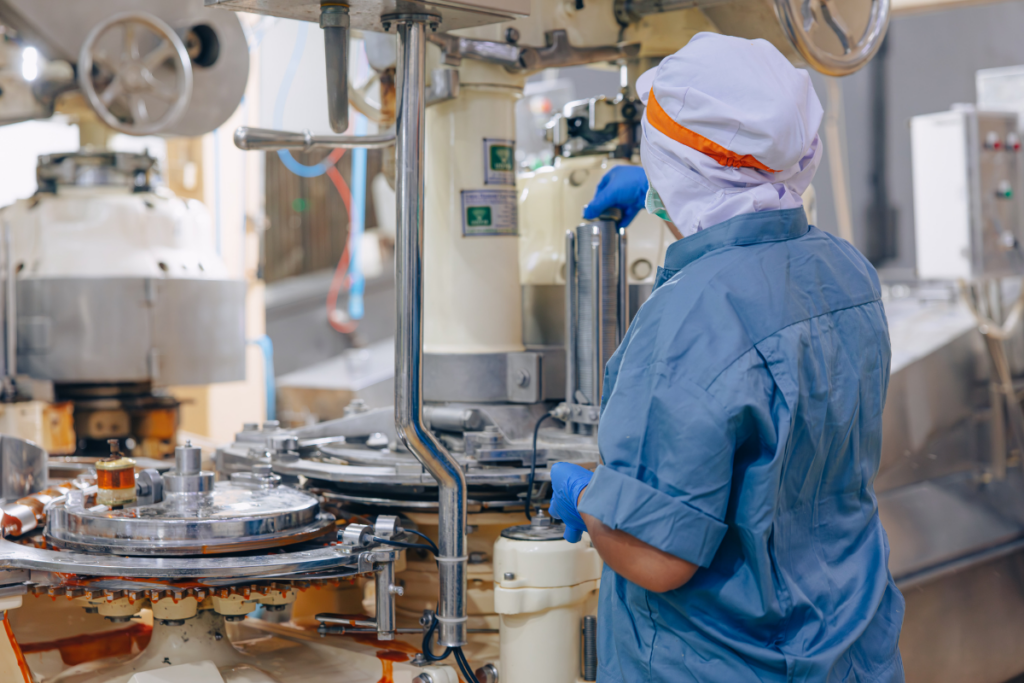
Stainless steel is a popular choice for food processing. Both 304 and 316 grades excel in resisting corrosion. This durability makes them ideal for challenging environments.
Grade 304 stainless steel is renowned for its excellent formability. It stands up well to a variety of cleaning agents. However, Grade 316 goes a step further with added molybdenum. This element enhances corrosion resistance in salt-laden settings.
The benefits of stainless steel are numerous:
- Outstanding durability
- High corrosion resistance
- Ease of cleaning
These properties make stainless steel indispensable. It’s used extensively in the production of food processing machines. Its smooth surface finish prevents bacterial growth, ensuring food safety.
2. Food-Grade Plastics (UHMWPE & PTFE)
Food-grade plastics also hold a significant place in food equipment. UHMWPE and PTFE stand out for their unique properties.
UHMWPE, or Ultra-High Molecular Weight Polyethylene, is known for being wear-resistant. It’s an ideal choice where friction and wear are concerns. PTFE, commonly known as Teflon, provides excellent non-stick properties. It withstands high temperatures and harsh chemicals.
Plastics offer distinct advantages:
- Lightweight yet durable
- Non-reactive with food substances
- Low friction coefficient
These features make them versatile for various applications. Food-grade plastics are often used in conveyor belts and bushings. Their ease of cleaning and chemical resistance ensure FDA compliance.
3. Aluminum Alloys
Aluminum alloys provide a lightweight alternative in food equipment. Notably, they offer great machinability, ideal for CNC machining.
These alloys are best for parts that require frequent movement. They combine strength with reduced weight, improving machine efficiency.
Consider these benefits:
- Excellent machinability
- Lightweight structure
- Corrosion resistance
Aluminum’s ability to withstand moderate wear and tear makes it popular. It’s typically used in less corrosive environments compared to stainless steel. Its role is crucial where speed and weight are factors.
Comparing the Top Materials: Pros, Cons, and Applications
Understanding the strengths of each material aids in selecting the right one. Let’s compare the pros, cons, and suitable uses for stainless steel, plastics, and aluminum.
Stainless Steel:
- Pros: Superior corrosion resistance, durability
- Cons: Heavier than alternatives
Food-Grade Plastics:
- Pros: Lightweight, non-reactive
- Cons: Less durable under extreme conditions
Aluminum:
- Pros: Lightweight, excellent machinability
- Cons: Less corrosion resistant
Applications vary based on each material’s properties. Stainless steel is ideal for robust structures. Plastics are great for non-reactive applications, while aluminum fits weight-sensitive uses.
Best Practices for Ensuring FDA Compliance in CNC Machined Food Equipment
Maintaining FDA compliance requires careful attention to material selection and machining processes. Ensuring food safety and equipment efficiency depends on following these practices diligently.
Key practices include:
- Regular inspections for wear and damage
- Using only FDA-certified materials
- Maintaining detailed compliance documentation
Commit to high standards in choosing materials and machining techniques to prevent contamination risks. By doing so, companies not only uphold safety but also protect their brand reputation.
Conclusion: Choosing the Right Material for Your Food Processing Machines
Selecting the right material for CNC machining in food equipment is crucial for safety and efficiency. FDA-compliant materials like stainless steel, food-grade plastics, and aluminum ensure reliability and meet regulatory standards.
Evaluate each material’s properties and suitability for specific applications. This thoughtful selection process not only enhances product longevity but also fortifies consumer trust by upholding the highest safety standards.
At Swisstech, we specialise in precision CNC machining and CNC milling for custom components across industries including food machinery and equipment. From prototype development to production machining, our experienced team can help optimise every design detail—including selecting the right counterbore or countersink for your application.
Contact Swisstech today to discuss your CNC machining requirements.