
Choosing between CNC turning and CNC milling doesn’t have to be a guessing game. Here’s a simple way to pick the right process—and avoid unnecessary “machining taxes.”
The key is the “Spinning Rule”: which one rotates—the workpiece or the cutting tool? Turning spins the material, while milling spins the tool. Getting this right upfront ensures you choose the correct process, leading to accurate parts and a fair, optimized cost in any subtractive manufacturing comparison.
The ‘Spinning’ Rule: How Material Movement Defines Your Machining Strategy
How does a machine actually carve your part? The easiest way to grasp cnc milling vs cnc turning differences is to use the “Spinning Rule.” By simply asking what is moving, you can instantly categorize your manufacturing project.
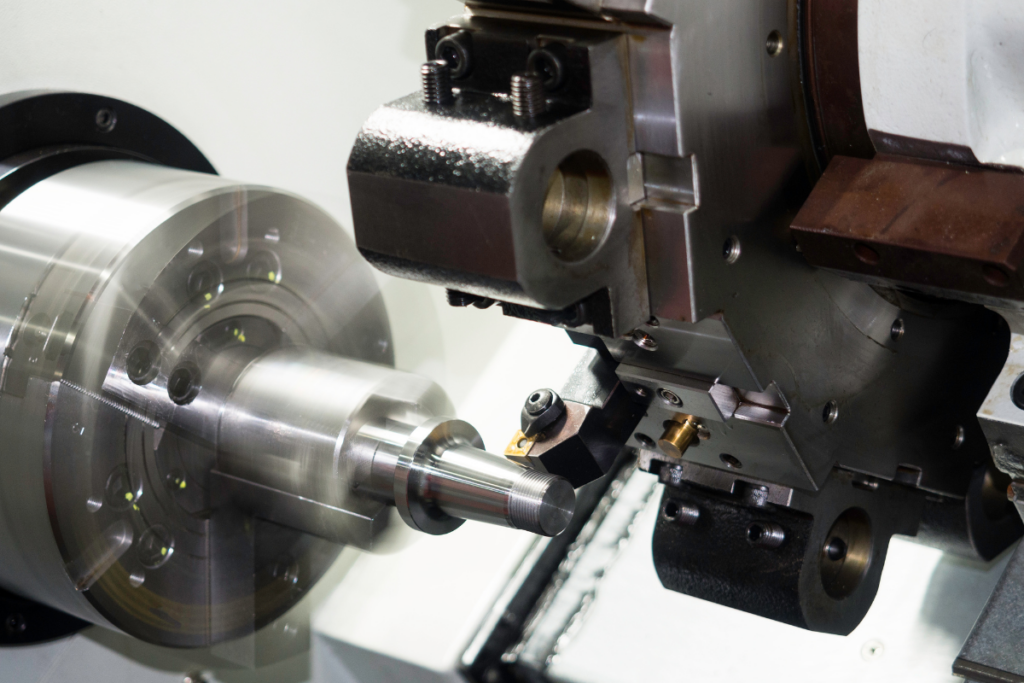
Understanding the difference between stationary and rotating workpieces comes down to the machine type. A Mill keeps the material perfectly still while a spinning tool carves into it, much like a handheld wood router. A Lathe does the exact opposite, acting like a high-speed pottery wheel where the material spins against a fixed blade.
Visualizing turning and milling motions helps you understand how a cutting tool accesses your part’s geometry. While rotating setups effortlessly produce round items, designs that are completely square require a distinct approach.
When Blocky is Better: Using CNC Milling for Complex, Asymmetric Shapes
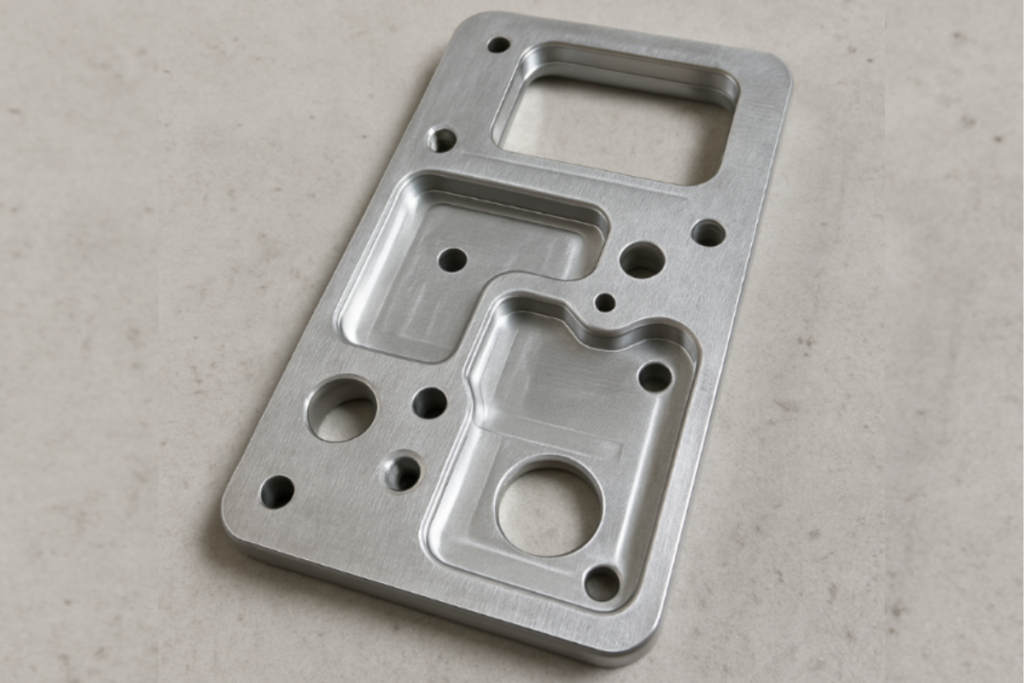
Designs that look more like a brick than a baseball bat require a distinct approach. When manufacturing blocky or prismatic parts, a mill’s spinning tool is your best option. It easily carves out asymmetric geometry—shapes that look entirely different from side to side, much like the rigid, hollowed-out body of a modern phone.
Comparing CNC milling vs cnc turning usually comes down to these internal features. A standard 3-axis mill moves its cutter left-right, forward-back, and up-down. This simple freedom makes it the perfect setup for digging deep pockets, drilling bolt patterns, or flattening mounting surfaces on a solid metal block.
Complex designs often need angles that straight up-and-down tools simply cannot reach. Here, the advantages of 5-axis CNC milling become obvious. By tilting the block while cutting, the machine accesses five distinct sides without requiring a human to manually reposition it. This slashes setup time and highlights the core differences in symmetric vs asymmetric part machining.
While milling champions flat surfaces and intricate cavities, it isn’t always the most efficient path. If your design resembles a true cylinder, spinning the material is much more effective.
The Speed of Symmetry: Why CNC Turning Dominates Round and Cylindrical Parts
Picture a potter shaping clay on a spinning wheel. That continuous rotation drives CNC machining for cylindrical geometries (turning). By holding a stationary cutter against rapidly spinning material, lathes quickly carve perfectly round shapes. Common examples of these symmetric parts include:
- A baseball bat
- A screwdriver handle
- A chess pawn
- A car axle
Forcing a mill to carve round shapes from a block wastes time and material. Lathes, however, naturally follow the path of least resistance. This uninterrupted contact easily achieves tight precision tolerances for CNC turned parts—meaning the final physical dimensions flawlessly match your digital design without expensive extra effort.
Beyond saving money, continuous cutting creates a remarkably smooth exterior. When evaluating surface finish quality in milling vs turning, turned parts naturally avoid the tiny, overlapping tool marks often left behind by a mill’s spinning bit. But what happens if your flawless metal cylinder also needs a square hole carved into its side?
Can a Lathe Do Both? The Power of Live Tooling and Mill-Turn Centers
What if your perfectly round cylinder needs a square slot carved into its side? You might ask, can a CNC lathe do milling work, or must you move the part to another machine? Traditionally, transferring the part was required, which burned through extra time and money.
Modern manufacturing solves this using hybrid Mill-Turn centers equipped with live tooling on CNC turning centers. Think of this like attaching a motorized drill to our potter’s wheel. The machine pauses the spinning part, then brings in a spinning bit to carve flats or drill side holes.
Finishing everything in a single setup lowers costs and prevents the alignment errors that increase material waste in CNC machining processes. Since the metal never leaves the machine, production finishes faster.
The Cost-Efficiency Checklist: 4 Questions to Determine Your Machining Method
You have a completed design, but picking the right machine dictates both your budget and your wait time. Figuring out how to select the right CNC process doesn’t require an engineering degree. It simply comes down to evaluating your part’s geometry and determining your required production scale.
Run your prototype through this straightforward checklist before requesting a quote from a machine shop:
- Is the primary shape round like a baseball bat, or blocky like a smartphone case?
- Are there flat faces or side holes requiring a hybrid approach?
- How many do you need? (Cost-effective small batch production methods often use different setups than high-volume orders).
- What is the material?
Answering these questions clearly dictates whether you need cnc turning vs cnc milling. Understanding the machine’s path of least resistance naturally optimizes your design for lower manufacturing lead times.
Your 3-Step Plan for Optimizing Your Part and Choosing a Manufacturer
You no longer have to guess whether your part needs turning or milling. Start by examining your CAD drawings for a central axis of symmetry. Aligning your part’s geometry with the correct manufacturing method helps you communicate clearly with machine shops and secures the best pricing.
If your design blends both cylindrical and blocky features, you aren’t limited to a single method. Simply ask your manufacturing partner if they offer multi-axis CNC machining capabilities, like a “Mill-Turn” machine, to handle those complex shapes efficiently.
Not sure if your design need CNC turning or CNC milling? Reach out to Swisstech (M) Sdn Bhd for a practical review of your design, materials, and production needs.