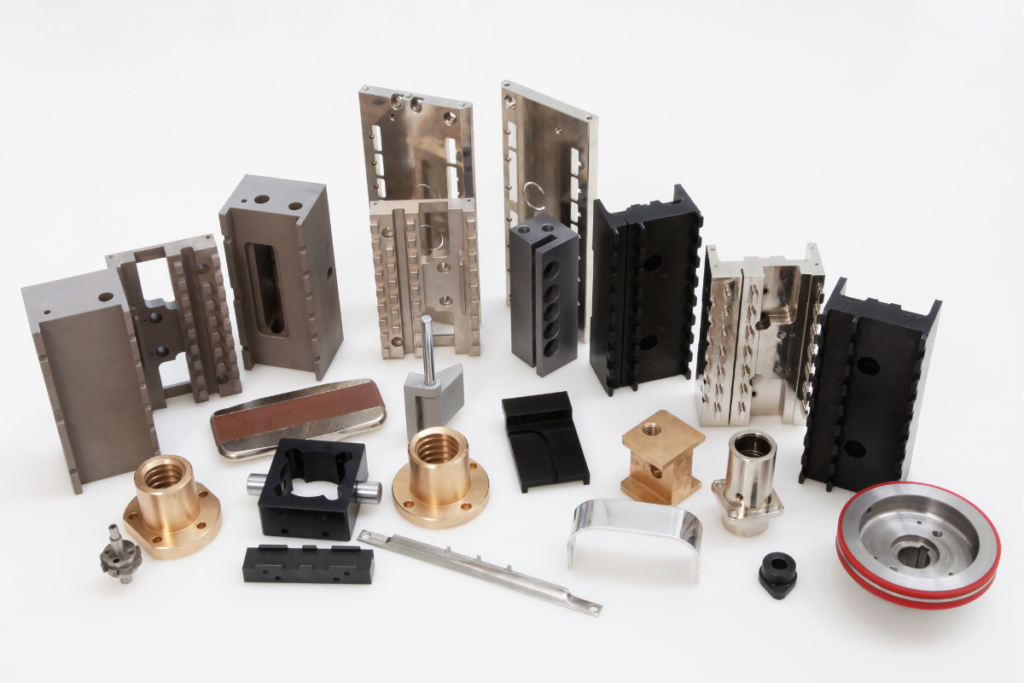
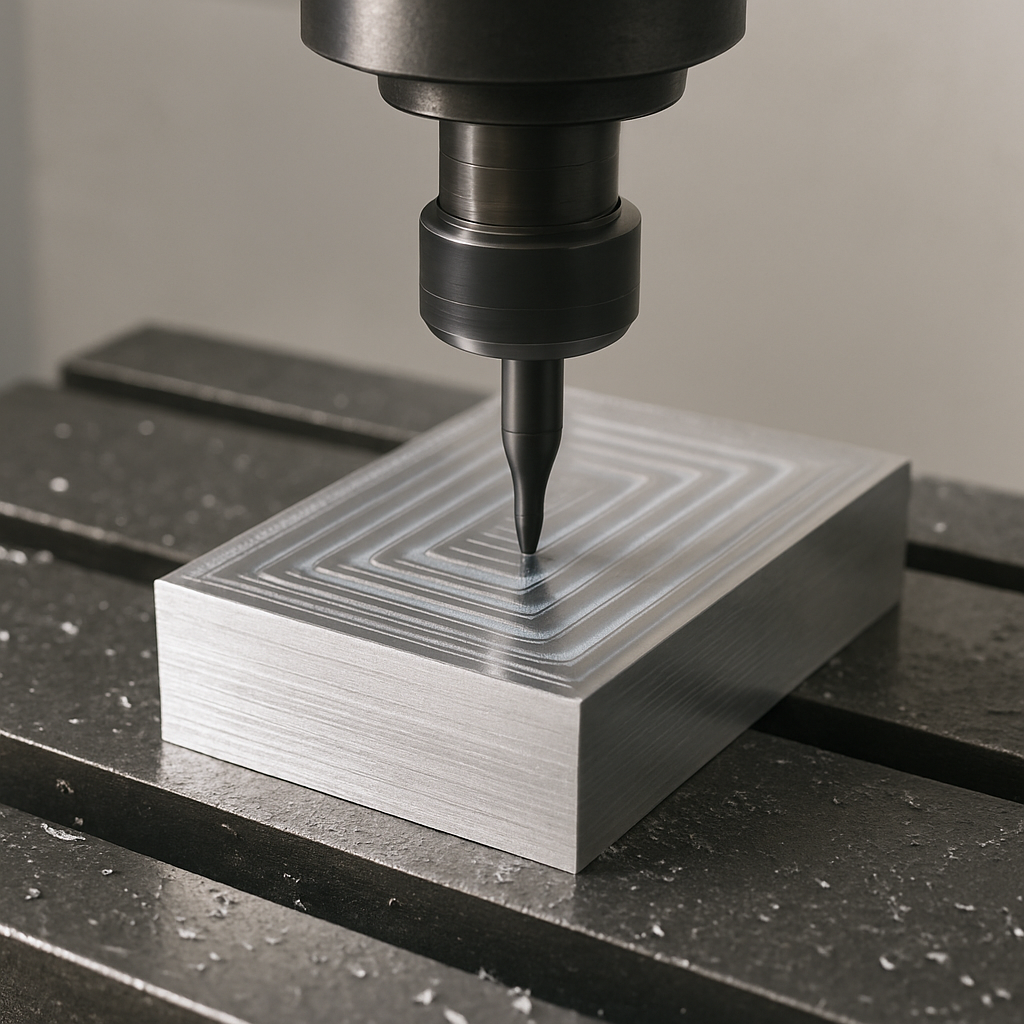
What is CNC and what CNC machines do? You’ve heard of 3D printing, but the premium metal body of your laptop was made the exact opposite way. It was carved from a single, solid block of aluminium by a robotic sculptor. This is the world of subtractive manufacturing, a powerful process at the heart of CNC machining.
Think of it like creating a sculpture. The popular method, 3D printing, is additive manufacturing—it builds an object from the ground up, layer by layer, like using a hot glue gun to create a shape. In contrast, CNC machining is subtractive. It starts with a solid block of metal and carves away everything that isn’t the final part, just as an artist carves a statue from marble.
So why choose one over the other? In practice, the choice comes down to material and purpose. An engineer might 3D print a plastic prototype of a new laptop case to check its fit, but the final, high-strength steel version will be carved using CNC machines. By carving the case from a solid piece of metal, the internal structure remains dense and strong, ensuring your laptop doesn’t bend or snap.
The 3-Step Journey From Your Screen to Physical Metal Part via CNC Machining
How does a computer tell a CNC machine how to turn a block of metal into a paper-thin, precise laptop case? It follows a three-step digital recipe:
- CAD (The Blueprint): A designer creates a detailed 3D model of the case on a computer. This defines every volume button cutout, the camera hole, and the charging port with perfect accuracy.
- CAM (The Strategist): This CAM software analyzes the model and decides the best way to carve it, choosing the right tools and plotting the fastest path.
- G-code (The Instructions): The software translates the strategy into G-code—a set of turn-by-turn coordinates that tells the machine exactly where to cut.
Because this journey is entirely digital, engineers can perfect the design on screen before wasting a single ounce of expensive aluminum.
Meet the Robot Sculptors: What’s the Difference Between a CNC Mill and a Lathe?
Those G-code instructions are brought to life by different kinds of “robot sculptors.” The most common for laptop case is the CNC Mill machine, where the block of metal is held still while a rapidly spinning tool moves around it, carving out the pockets for the battery and the sleek curves of the exterior.
The other key machine is the CNC Lathe machine, which does the opposite. It spins the workpiece—a rod of metal—at high speed while a stationary tool presses against it to shave away material. Think of a potter shaping clay on a wheel. This method, called turning, is ideal for creating perfectly round parts like steel gears or custom bolts.
Ultimately, the choice comes down to what moves: the tool (mill) or the part (lathe). One excels at carving blocks, the other at shaping cylinders. But why carve away solid metal instead of just pouring it into a mold? The answer lies in the unique superpowers of precision and material strength that the CNC machining process unlocks.
Why Not Just Cast It? The Superpowers of CNC Precision and Repeatability
Carving solid metal offers a level of control that simpler methods like casting can’t touch. This is the superpower of precision. Think about the smooth aluminium body of a high-end laptop; the screen fits into the frame so perfectly there isn’t a single gap. That seamless result is only possible through high precision metal parts manufacturing, one of the key advantages of CNC machining aluminium. It allows for flawless fits and finishes that we now take for granted in our high-tech devices.
But what if a company needs to make a million of those perfect laptop bodies? This introduces CNC’s second superpower: repeatability. Because the machine is simply following the same digital instructions over and over, it can produce the first part and the millionth part with virtually no difference. This consistency is critical in the CNC machining for the automotive industry, where every gear and engine component must be identical to ensure safety and peak performance.
Ultimately, precision and repeatability work together. You don’t just get one flawless part; you get an entire production run of them. This powerful combination is why the world’s most demanding fields, from aerospace engineering to consumer electronics, rely on this process. Of course, this level of control over a part’s shape is only half the equation; the other is the incredible strength of the materials being carved.
From Blueprint to Reality: The CNC Machining Impact
The journey from a digital file to a physical object is a core part of modern manufacturing. This process of translating a blueprint into precise movements to carve solid aluminium explains how are metal parts made with such perfection. It’s the work of a digital craftsman, a key piece of modern manufacturing technology.
This knowledge brings a hidden world to life. The next time you pick up your laptop or admire an alloy wheel, look for the flawless curves and clean lines. You’ll now recognize the signature of a CNC machine at work, appreciating the journey from a simple block of metal to the precise object in your hand.
Ready to Bring Your Design to Life?
Understanding how a raw block of metal becomes a high-tech laptop case is just the first step. Whether you are looking to manufacture durable components for the food industry or develop custom consumer products, you need a partner that values reliability and consistent volume production.
Contact our team today for a consultation on your next project. Let’s discuss how our CNC machining expertise can turn your digital blueprints into high-strength reality.